The ₹1000 Crore Sneaker Opportunity: Why India’s Sneaker Market Is Just Getting Started
"Driven by changing consumer behavior, rising disposable incomes, and the DTC revolution, India’s sneaker market is entering a period of unprecedented expansion."
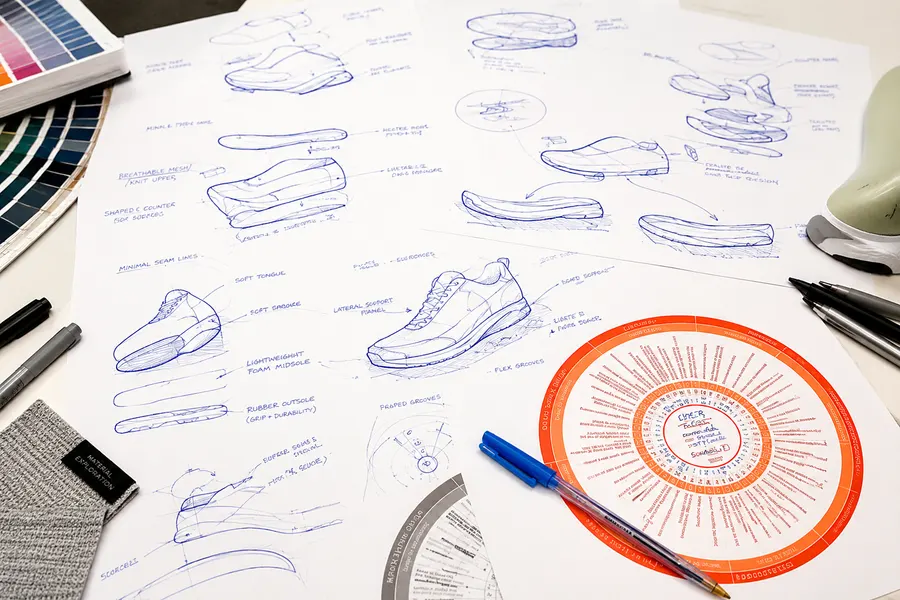
For years, sneakers in India occupied a relatively small space within the broader footwear industry.
Most consumers purchased shoes for functionality rather than lifestyle. Sports shoes were worn for sports. Casual shoes were worn for daily use. Fashion and self-expression played a secondary role.
Today, that reality is changing rapidly.
Sneakers have evolved from a footwear category into a cultural movement.
Driven by changing consumer behavior, rising disposable incomes, social media influence, streetwear culture, and the growth of direct-to-consumer brands, India’s sneaker market is entering a period of unprecedented expansion.
For entrepreneurs, investors, footwear manufacturers, and emerging brands, this represents one of the most exciting opportunities in the Indian consumer goods sector.
The question is no longer whether India’s sneaker industry will grow.
The question is how large the opportunity can become.
Many industry observers believe India is only at the beginning of its sneaker growth story.
The Rise of Sneaker Culture in India
A decade ago, sneaker culture was largely concentrated among a niche audience.
Limited-edition releases, sneaker collections, and resale markets were concepts familiar to only a small segment of consumers.
Today, sneakers are everywhere.
They are worn by:
- ●Students
- ●Entrepreneurs
- ●Professionals
- ●Athletes
- ●Creators
- ●Celebrities
Sneakers have become part of everyday fashion.
Social media platforms have accelerated this transformation.
Consumers now have immediate access to:
- ●Global sneaker launches
- ●Brand collaborations
- ●Streetwear trends
- ●Fashion influencers
- ●Product reviews
This exposure has fundamentally changed consumer expectations.
People no longer buy sneakers solely because they need shoes.
They buy sneakers because they want products that align with their identity, lifestyle, and aspirations.
India’s Demographic Advantage
One of the biggest reasons the sneaker opportunity is so significant is India’s population profile.
India has one of the youngest populations in the world.
Millions of consumers are entering their highest-spending years.
Younger consumers tend to:
- ●Follow fashion trends
- ●Engage with digital content
- ●Purchase online
- ●Experiment with new brands
- ●Seek self-expression through products
These behaviors align perfectly with sneaker culture.
Unlike previous generations, today’s consumers view footwear as part of their personal brand.
This shift is creating long-term demand for premium and lifestyle-focused footwear.
The Direct-to-Consumer Revolution
Historically, launching a footwear brand required significant capital.
Brands depended heavily on:
- ●Retail stores
- ●Distributors
- ●Wholesale networks
- ●Physical expansion
Today, direct-to-consumer business models have changed the equation.
A footwear startup can build a national audience through:
- ●E-commerce platforms
- ●Influencer partnerships
- ●Content marketing
- ●Community building
This has dramatically lowered barriers to entry.
As a result, India is seeing the emergence of a new generation of sneaker brands focused on specific consumer segments and communities.
Many of these brands are proving that it is possible to build successful footwear businesses without traditional retail infrastructure.
Premiumization Is Creating New Opportunities
One of the most important trends in the Indian footwear market is premiumization.
Consumers are increasingly willing to spend more on products they perceive as valuable.
This is particularly evident in categories such as:
- ●Electronics
- ●Personal care
- ●Fashion
- ●Footwear
Modern consumers evaluate products based on: Rather than price alone.
- ●Quality
- ●Design
- ●Comfort
- ●Brand values
- ●User experience
This shift creates opportunities for footwear brands that focus on product excellence.
Consumers are becoming more selective, but they are also becoming more willing to invest in better products.
For sneaker brands, this is a major advantage.
Why Global Brands Are Not the Only Winners
Nike, Adidas, Puma, and other international brands continue to dominate significant portions of the market.
However, their presence does not eliminate opportunities for local brands.
In fact, it may be creating them.
As consumers become more interested in sneakers, they also become more open to discovering alternatives.
Indian brands have several advantages:
Cultural Relevance
Local brands often understand Indian consumers more deeply. They can create products inspired by:
- ●Local communities
- ●Indian culture
- ●Regional identities
- ●Domestic fashion trends
Agility
Smaller brands can adapt more quickly to changing market conditions.
They can experiment with products, campaigns, and customer engagement strategies at a pace larger organizations often cannot match.
Community Building
Many successful sneaker brands focus on building communities rather than simply selling products.
Consumers increasingly value brands that create authentic connections.
The Untapped Opportunity in Tier 2 and Tier 3 Cities
Much of the conversation around sneaker culture focuses on major metropolitan areas.
However, some of the most exciting growth opportunities exist beyond these markets.
Improved internet access, smartphone adoption, and e-commerce penetration have transformed consumer behavior across India.
Consumers in Tier 2 and Tier 3 cities now have access to the same brands, content, and products as consumers in major urban centers.
This is expanding the addressable market significantly.
As purchasing power increases, demand for premium footwear is expected to grow across these regions.
Brands that recognize this shift early may gain meaningful competitive advantages.
Why Product Development Will Determine the Winners
The sneaker market is becoming increasingly competitive.
Good marketing is no longer enough.
Consumers expect products that deliver.
This means brands must focus on:
- ●Comfort
- ●Fit
- ●Durability
- ●Material quality
- ●Construction standards
The brands that invest in proper footwear development will be better positioned to succeed.
Product development influences every aspect of customer experience.
A sneaker may attract attention because of its design.
But repeat purchases are driven by performance.
Brands that overlook development often struggle with:
- ●Returns
- ●Negative reviews
- ●Quality issues
- ●Customer dissatisfaction
In contrast, brands that prioritize development create stronger foundations for long-term growth.
The Importance of Sourcing and Manufacturing
As sneaker brands scale, sourcing and manufacturing become increasingly important.
Growth creates complexity.
Brands must ensure:
- ●Material consistency
- ●Production quality
- ●Supply chain reliability
- ●Cost control
This requires strong relationships with development and manufacturing partners.
Reliable sourcing often becomes a competitive advantage.
Brands that build strong operational foundations are better equipped to scale successfully.
Sustainability Will Shape Future Growth
Consumer awareness around sustainability continues to increase.
Many customers now consider: When evaluating brands.
- ●Material choices
- ●Product longevity
- ●Manufacturing practices
- ●Environmental impact
Although sustainability remains a developing trend within the Indian sneaker market, its influence is expected to grow significantly in the coming years.
Brands that begin integrating sustainable practices today may be better positioned for future consumer expectations.
Why Investors Are Paying Attention
The combination of: has made the footwear sector increasingly attractive to investors.
- ●Growing consumer demand
- ●Strong demographics
- ●Digital commerce
- ●Premiumization
- ●Emerging brands
Investors recognize that footwear represents more than a product category.
It represents a long-term consumer behavior shift.
As sneaker culture expands, brands with strong products and clear positioning may have opportunities to achieve substantial growth.
The Future of India’s Sneaker Industry
The next decade could transform India’s position within the global sneaker ecosystem.
Several trends are likely to accelerate growth:
- ●Rising disposable incomes
- ●Expansion of sneaker culture
- ●Growth of local brands
- ●Improved manufacturing capabilities
- ●Increasing product innovation
As these factors converge, India’s sneaker market could become one of the most dynamic footwear sectors in the world.
The opportunity extends beyond selling sneakers.
It includes:
- ●Design
- ●Development
- ●Manufacturing
- ●Sourcing
- ●Technology
- ●Retail
- ●Community building
Entire ecosystems will emerge around this growth.
Conclusion
India’s sneaker market is still in its early stages.
What we are witnessing today is not the peak of the opportunity.
It is the beginning.
Consumer behavior is changing.
Sneaker culture is expanding.
Premium footwear demand is increasing.
New brands are entering the market and challenging traditional assumptions about what Indian footwear companies can achieve.
For entrepreneurs and footwear brands, this creates a rare opportunity.
The brands that succeed will not simply follow trends.
They will build products that combine thoughtful design, proper development, reliable sourcing, and authentic storytelling.
At ATK Designs, we work with footwear brands to transform ideas into commercially viable products through end-to-end footwear design, development, and sourcing solutions.
Because the next great sneaker brand may not come from New York, London, or Tokyo.
It may come from India.
Follow the Studio
Get daily insights on footwear design, development process, and sourcing strategies.