From First Sketch to Final Product: The Journey of Turning a Footwear Idea Into Reality
"Every successful shoe begins with a simple idea. What most people don't see is everything that happens between that initial idea and the final product sitting on a store shelf. Great footwear is developed, not just designed."
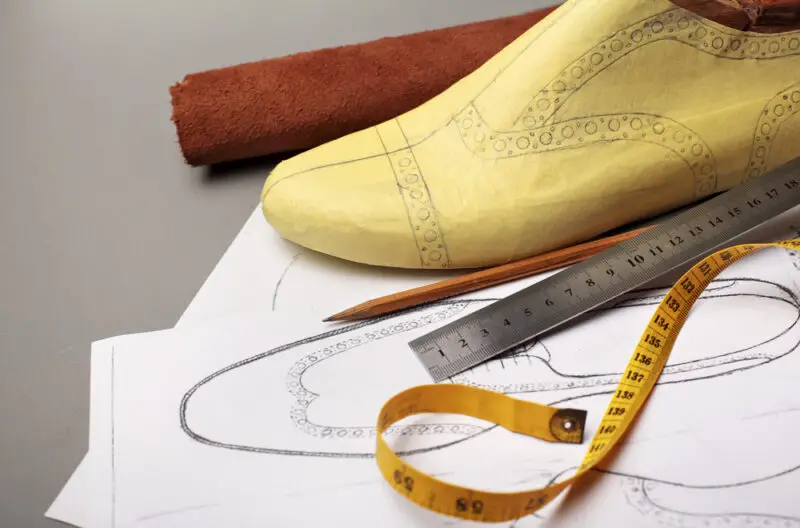
Every successful shoe begins with a simple idea. Sometimes it starts with a rough sketch on paper. Sometimes it starts with a market opportunity. Sometimes it begins with a founder who believes there is room for a better product.
What most people don't see is everything that happens between that initial idea and the final product sitting on a store shelf.
A sneaker is not created overnight. It is the result of a structured development process involving design, engineering, sourcing, testing, manufacturing, and countless decisions along the way.
The brands that succeed understand that great footwear is developed, not just designed.
Every Product Starts With a Problem
The best footwear products do not start with aesthetics. They start with purpose.
Before any design work begins, successful brands ask important questions:
- ●Who is the customer?
- ●What problem are we solving?
- ●What category are we entering?
- ●What makes our product different?
Defining the objective early creates direction for every decision that follows. Without this foundation, development often becomes reactive rather than strategic.
Stage 1: Concept Development
The concept phase transforms an idea into a product vision.
This stage typically involves:
- ●Market research
- ●Competitor analysis
- ●Consumer insights
- ●Trend evaluation
- ●Product positioning
Many startups skip this stage because they are eager to begin designing. However, understanding the market before creating the product often leads to stronger commercial outcomes.
Stage 2: Sketching the Vision
This is where the creative journey begins. Designers create initial concepts that communicate the product's appearance and personality.
Sketches help define:
- ●Silhouette
- ●Material direction
- ●Branding placement
- ●Color stories
- ●Construction ideas
However, sketches are only the beginning. The purpose of the sketch is not to finalize the product. It is to begin the conversation.
Stage 3: Digital Design and Refinement
Digital renderings allow teams to evaluate:
- ●Proportions
- ●Details
- ●Materials
- ●Branding
- ●Visual balance
Changes made digitally are often faster and more cost-effective than changes made later in production.
Stage 4: Last Development
One of the most important stages in footwear development is creating the last.
The last is a foot-shaped mold used to build the shoe. It determines:
- ●Shape
- ●Fit
- ●Sizing
- ●Comfort
Customers may notice design first. But they remember comfort. An excellent last creates the foundation for a successful product.
Stage 5: Material Selection
Materials influence nearly every aspect of the final product. They affect:
- ●Comfort
- ●Durability
- ●Weight
- ●Breathability
- ●Cost
- ●Appearance
Material selection requires balancing performance, design intent, manufacturing requirements, and commercial objectives.
Stage 6: Technical Development
At this stage, the product transitions from concept to engineering.
This includes:
- ●Pattern development
- ●Construction methods
- ●Stitching details
- ●Component placement
- ●Technical measurements
Strong technical development reduces manufacturing errors and improves consistency.
Stage 7: Tech Pack Creation
The tech pack is one of the most important documents in footwear development. Think of it as the blueprint for production.
A footwear tech pack includes:
- ●Material specifications
- ●Construction details
- ●Measurements
- ●Color references
- ●Branding guidelines
- ●Manufacturing instructions
Incomplete tech packs often lead to miscommunication, production errors, delays, and additional costs.
Stage 8: Prototyping and Sampling
This is where ideas become physical products. Sampling allows teams to assess:
- ●Fit
- ●Comfort
- ●Appearance
- ●Material performance
- ●Construction quality
Sampling is an iterative process. Each sample reveals opportunities for improvement. The objective is refinement, not perfection.
Stage 9: Testing and Validation
Testing helps verify:
- ●Durability
- ●Comfort
- ●Flexibility
- ●Stability
- ●Performance
The cost of testing is often significantly lower than the cost of product failures in the market. Successful brands view testing as insurance.
Stage 10: Sourcing and Production Planning
Reliable sourcing is one of the most important factors in footwear production.
Strong sourcing reduces risk and improves production efficiency. This is why many successful brands work closely with sourcing specialists throughout development.
Stage 11: Manufacturing
Manufacturing is where all previous planning comes together.
Production involves multiple specialized operations including:
- ●Cutting
- ●Stitching
- ●Lasting
- ●Sole attachment
- ●Finishing
Manufacturing excellence is built through process control and attention to detail.
Stage 12: Quality Control
Quality control teams evaluate:
- ●Appearance
- ●Construction
- ●Sizing
- ●Material consistency
- ●Performance requirements
Strong quality systems protect both customers and brands.
Stage 13: Packaging and Market Launch
The final stage is preparing the product for consumers. Packaging plays a major role in shaping first impressions. A premium product deserves thoughtful presentation.
The journey that began with a simple sketch is finally complete.
Why Most Footwear Brands Struggle
Many footwear startups experience challenges because they underestimate the complexity of this journey.
Common issues include:
- ●Rushing development
- ●Skipping testing
- ●Weak sourcing systems
- ●Poor technical documentation
- ●Unrealistic timelines
A great product is rarely the result of a single brilliant idea. It is usually the result of hundreds of well-executed decisions.
How ATK Helps Brands Navigate the Journey
At ATK Designs, we support brands through every stage of footwear creation — from concept development and footwear design to sourcing, sampling, and production support.
Because footwear development is not just about making products. It is about building products that customers trust, enjoy, and purchase repeatedly.
Conclusion
Every shoe tells a story. But the most important part of that story happens long before the customer puts it on.
The journey from first sketch to final product requires strategy, creativity, technical expertise, and execution.
At ATK Designs, we believe great footwear is built through thoughtful development, reliable sourcing, and disciplined execution.
Because every successful product starts with a sketch. But it reaches its potential through the process that follows.
Follow us on Instagram for more footwear insights and behind-the-scenes content: https://www.instagram.com/atkdesignlabs?igsh=MWV1bDZjeWx3aDFsbQ==
Follow the Studio
Get daily insights on footwear design, development process, and sourcing strategies.