From Idea to Shelf: Understanding the Footwear Production Process Step by Step
"Most people see a finished sneaker and assume the hardest part was designing it. What happens between the first idea and the final product on a store shelf is a complex process involving design, development, sourcing, sampling, testing, manufacturing, and quality control."
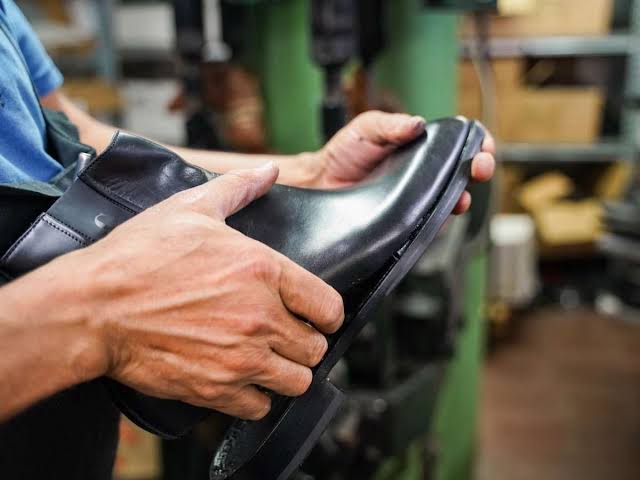
Most people see a finished sneaker and assume the hardest part was designing it.
In reality, the sketch is often the easiest part of the journey.
What happens between the first idea and the final product on a store shelf is a complex process involving design, development, sourcing, sampling, testing, manufacturing, and quality control.
For new footwear brands, this process can feel overwhelming.
Many founders enter the industry with a strong vision but little understanding of how footwear products are actually developed and manufactured.
As a result, projects often face delays, unexpected costs, quality issues, and production setbacks.
Understanding the footwear production process is one of the most valuable things a founder can do.
The more you understand the journey, the better decisions you can make.
Why Footwear Production Is Different From Other Products
A sneaker may look simple, but it is actually one of the most complex consumer products to manufacture.
A typical shoe contains multiple components including:
- ●Upper materials
- ●Linings
- ●Reinforcements
- ●Insoles
- ●Midsoles
- ●Outsoles
- ●Laces
- ●Trims
- ●Labels
Each component often comes from different suppliers.
Each component must meet specific quality standards.
Every piece must fit together perfectly.
A mistake in one area can affect the entire product.
This is why footwear development requires careful planning from the very beginning.
Stage 1: The Idea Phase
Every footwear product begins with an idea.
This idea may come from:
- ●Market research
- ●Consumer demand
- ●Fashion trends
- ●Sports performance needs
- ●Brand positioning
Many founders immediately jump into design.
However, successful brands begin by asking important questions.
Who is the customer? What problem does the product solve? How will the shoe be positioned in the market? What price point will it target?
The answers influence every decision that follows.
The strongest footwear products are built around a clear purpose.
Stage 2: Footwear Design
Once the concept is defined, the design phase begins.
This is where creative ideas become visual concepts.
During footwear design, developers explore:
- ●Silhouettes
- ●Materials
- ●Colors
- ●Branding
- ●Construction concepts
Designers create sketches and digital renderings that help visualize the final product.
Many people assume this is where most of the work happens.
In reality, development is only beginning.
A beautiful design does not guarantee a successful product.
The next stages determine whether the shoe can actually be manufactured.
Stage 3: Last Development
One of the most important stages in footwear development is creating the last.
A last is a foot-shaped mold used to build the shoe.
It determines:
- ●Fit
- ●Shape
- ●Comfort
- ●Sizing
The last serves as the foundation of the entire product.
A poor last often results in:
- ●Uncomfortable shoes
- ●Fit issues
- ●High return rates
- ●Negative customer feedback
Experienced footwear developers know that great fit starts with great last development.
This stage often receives less attention than it deserves.
Stage 4: Material Selection
Materials influence almost every aspect of the final product.
They affect:
- ●Comfort
- ●Weight
- ●Durability
- ●Breathability
- ●Cost
- ●Appearance
Material selection is not simply about choosing what looks good.
Every material must perform its intended function.
For example: A lifestyle sneaker may prioritize premium aesthetics. A running shoe may prioritize lightweight performance. A work shoe may prioritize durability.
Choosing the wrong material often creates problems later in development.
Stage 5: Technical Development
This is where design becomes engineering.
Developers create detailed specifications that guide production.
These include:
- ●Construction details
- ●Material placement
- ●Stitching methods
- ●Component dimensions
- ●Manufacturing instructions
The goal is to eliminate ambiguity.
Factories require precise information.
Without proper technical development, production errors become far more likely.
This stage is where many footwear startups struggle because they underestimate its importance.
Stage 6: Tech Pack Creation
A tech pack is essentially the blueprint of the shoe.
It contains all the information needed to manufacture the product.
A footwear tech pack typically includes:
- ●Material specifications
- ●Measurements
- ●Construction details
- ●Component information
- ●Color references
- ●Branding placement
Think of it as the instruction manual for the factory.
Without a detailed tech pack, consistent production becomes nearly impossible.
Stage 7: Sampling
Sampling is where ideas become physical products.
The first sample rarely arrives perfectly.
That is normal.
The purpose of sampling is to identify improvements.
During sample evaluation, teams assess:
- ●Fit
- ●Comfort
- ●Appearance
- ●Construction quality
- ●Material performance
Several rounds of revisions are often required.
This stage is critical because it allows problems to be solved before production begins.
Skipping sample refinement usually leads to expensive mistakes later.
Stage 8: Testing and Validation
Before moving into production, products should undergo testing.
Testing may evaluate:
- ●Flexibility
- ●Durability
- ●Cushioning
- ●Abrasion resistance
- ●Bonding strength
- ●Wear performance
Many brands view testing as an additional expense.
In reality, testing is an investment.
It helps identify weaknesses before customers do.
The cost of testing is often far lower than the cost of product failures.
Stage 9: Sourcing and Production Planning
Once the product is approved, sourcing begins.
Factories and suppliers secure:
- ●Materials
- ●Components
- ●Packaging
- ●Production resources
Production planning involves:
- ●Scheduling
- ●Material procurement
- ●Capacity allocation
- ●Quality procedures
This stage requires close coordination across multiple partners.
Strong sourcing processes reduce delays and improve consistency.
Stage 10: Manufacturing
This is the stage most people think of when they imagine shoe production.
However, manufacturing is only one part of the overall journey.
During production, components are assembled through a series of specialized operations.
These may include:
- ●Cutting
- ●Stitching
- ●Lasting
- ●Sole attachment
- ●Finishing
Every step must meet quality standards.
Even small inconsistencies can affect the final product.
This is why experienced footwear manufacturers maintain strict process controls.
Stage 11: Quality Control
Quality control should not begin after production.
It should exist throughout the entire process.
However, final inspections remain essential.
Quality teams evaluate:
- ●Construction consistency
- ●Material quality
- ●Appearance
- ●Sizing accuracy
- ●Functional performance
Products that fail standards are identified before reaching customers.
Strong quality control protects both consumers and brands.
Stage 12: Packaging and Commercialization
The final stage is preparing the product for market.
This includes:
- ●Packaging development
- ●Product labeling
- ●Logistics planning
- ●Distribution
Many brands underestimate packaging.
However, packaging influences first impressions and contributes to overall brand perception.
A premium product deserves a premium presentation.
Why Most Footwear Startups Experience Delays
One of the biggest surprises for new founders is how long footwear development takes.
Delays often occur because of:
- ●Incomplete tech packs
- ●Poor communication
- ●Material shortages
- ●Sampling revisions
- ●Fit corrections
- ●Manufacturing issues
The brands that launch successfully understand that development is a process, not an event.
Patience often leads to better products.
How ATK Simplifies the Process
At ATK Designs, we help footwear brands navigate the entire development journey.
Our process covers:
- ●Footwear design
- ●Last development
- ●Material sourcing
- ●Tech pack creation
- ●Sampling support
- ●Production guidance
By managing these stages strategically, brands can reduce mistakes, improve execution, and move from concept to commercialization more efficiently.
Conclusion
A successful shoe is never the result of a single sketch.
It is the outcome of a carefully managed process involving dozens of decisions across design, development, sourcing, and manufacturing.
Understanding the footwear production process helps founders make smarter decisions, avoid common mistakes, and create stronger products.
The brands that succeed are not necessarily the fastest.
They are the ones that execute the process correctly.
At ATK Designs, we believe great footwear is built long before production starts.
Because the journey from idea to shelf is where successful footwear brands are truly created.
Follow us on Instagram for more footwear insights and behind-the-scenes content: https://www.instagram.com/atkdesignlabs?igsh=MWV1bDZjeWx3aDFsbQ==
Follow the Studio
Get daily insights on footwear design, development process, and sourcing strategies.