Why India Still Imports Premium Sneaker Development and What Needs to Change
"Despite a massive consumer base, many Indian footwear brands still rely heavily on overseas expertise when it comes to premium sneaker development. Let’s look at the gaps in infrastructure and what needs to change."
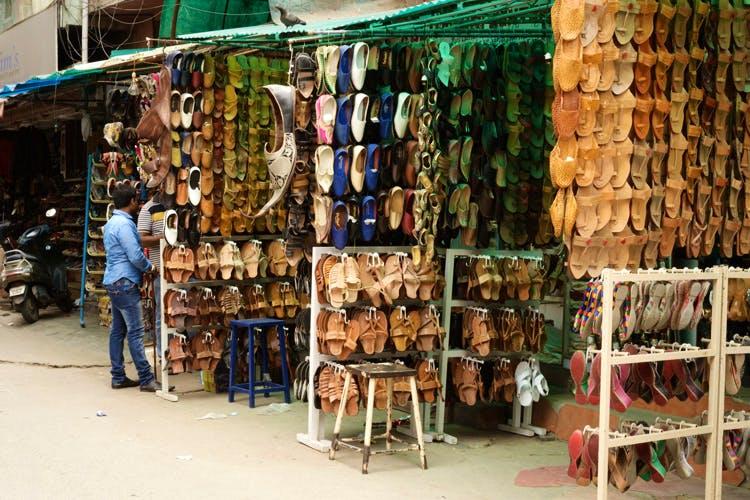
India is one of the world’s largest footwear markets.
Millions of pairs of shoes are sold every year across sportswear, casual footwear, fashion sneakers, and performance categories. The country has a massive consumer base, a growing middle class, and increasing demand for premium footwear.
Yet despite this enormous market potential, many Indian footwear brands still rely heavily on overseas expertise when it comes to premium sneaker development.
Whether it is advanced sole engineering, performance footwear construction, technical material innovation, or high-end product development, brands often look outside India for support.
This raises an important question:
If India has one of the largest footwear industries in the world, why does it still import premium sneaker development?
The answer lies in the difference between manufacturing footwear and developing footwear. Understanding that difference is critical for anyone building a footwear brand today.
Manufacturing and Development Are Not the Same Thing
One of the biggest misconceptions in the footwear industry is the belief that manufacturing automatically includes product development.
It doesn’t.
A factory can manufacture a shoe.
But developing a successful sneaker requires an entirely different set of capabilities.
Sneaker development involves: ● Consumer research ● Design strategy ● Last development ● Material engineering ● Pattern construction ● Performance testing ● Wear trials ● Prototype refinement ● Production optimization
These disciplines require highly specialized knowledge.
While India has strong manufacturing capacity in several footwear categories, advanced development infrastructure remains limited compared to global footwear hubs.
This is one of the primary reasons brands continue to seek development expertise from countries such as China, Vietnam, and Italy.
The Legacy Advantage of Global Footwear Hubs
Countries that dominate premium sneaker development did not build their expertise overnight.
China, Vietnam, and Italy have spent decades investing in footwear ecosystems.
These ecosystems include:
- ●Material suppliers
- ●Sole manufacturers
- ●Testing laboratories
- ●Tooling specialists
- ●Last developers
- ●Pattern engineers
- ●Technical consultants
As a result, brands can move from concept to commercialization with greater efficiency.
India is developing similar capabilities, but the ecosystem is still evolving.
The Technical Skills Gap
One of the biggest challenges facing the Indian footwear industry is the shortage of highly specialized development talent.
Many professionals have strong manufacturing experience.
Fewer possess expertise in advanced sneaker development.
Premium footwear requires detailed understanding of:
Last Development
The last determines the shape, fit, and comfort of a shoe.
Small adjustments can significantly affect:
- ●Comfort
- ●Sizing accuracy
- ●Foot support
- ●Product performance
Global sneaker brands invest heavily in last development because fit remains one of the most important factors influencing customer satisfaction.
Performance Construction
Modern sneakers often combine multiple construction methods within a single product.
Developers must understand how materials, stitching techniques, adhesives, and components interact under real-world conditions.
This requires technical knowledge that goes far beyond visual design.
Material Engineering
Today’s consumers expect more from footwear than ever before.
They want:
- ●Breathability
- ●Durability
- ●Lightweight construction
- ●Sustainability
- ●Comfort
Meeting these expectations requires advanced material selection and testing.
Many premium footwear innovations originate from specialized material suppliers located outside India.
Why Development Costs Matter
Many footwear startups underestimate the true cost of development.
As a result, they often attempt to skip important stages.
This usually creates larger problems later.
Common shortcuts include:
- ●Limited sample rounds
- ●Insufficient fit testing
- ●Poor material validation
- ●Incomplete technical documentation
While these shortcuts may reduce initial costs, they frequently lead to:
- ●Production delays
- ●Product failures
- ●Customer complaints
- ●Increased returns
- ●Brand damage
Premium sneaker development is expensive because it reduces risk.
The cost of proper development is almost always lower than the cost of fixing mistakes after launch.
The Rise of Indian Sneaker Brands Is Changing Expectations
The growth of Indian sneaker brands is creating new demands within the industry.
Consumers are becoming more sophisticated.
They no longer compare local brands only against other Indian companies.
They compare them against global leaders.
A customer purchasing a premium sneaker today expects:
- ●Excellent fit
- ●Premium materials
- ●Durable construction
- ●Attractive design
- ●Consistent quality
Meeting these expectations requires stronger development capabilities.
This shift is forcing the industry to evolve.
Brands can no longer rely solely on competitive pricing.
They must compete on product quality and user experience.
Why Sourcing Plays a Critical Role
Development and sourcing are deeply connected.
A product can only perform as well as the materials used to build it.
Successful sneaker development depends on sourcing partners that can consistently provide:
- ●High-quality materials
- ●Reliable lead times
- ●Consistent specifications
- ●Technical support
Many development challenges originate from sourcing decisions made too early or without sufficient technical evaluation.
This is why leading footwear brands integrate sourcing into the development process rather than treating it as a separate function.
How India Can Close the Gap
The good news is that India possesses all the ingredients necessary to become a major force in premium sneaker development.
However, several areas require focused investment.
Building Development Expertise
The industry needs more professionals specializing in:
- ●Footwear engineering
- ●Last development
- ●Pattern construction
- ●Material innovation
- ●Product testing
Technical education and industry training will play an important role in achieving this.
Strengthening Supplier Networks
Premium footwear development thrives when suppliers operate as development partners rather than simple vendors.
Closer collaboration between brands, developers, and suppliers will accelerate innovation.
Investing in Testing Infrastructure
Testing remains a critical component of premium footwear development.
Investment in testing laboratories and quality assurance systems will help improve product consistency across the industry.
Encouraging Long-Term Thinking
Many startups focus heavily on launch.
Fewer focus on long-term product excellence.
Building stronger brands requires patience and commitment to development.
The most successful footwear companies view development as an ongoing process rather than a one-time activity.
The Opportunity Ahead
India’s footwear market continues to grow.
Consumer expectations continue to rise.
Demand for premium sneakers continues to expand.
These trends create enormous opportunities for brands willing to invest in proper development.
The future will belong to companies that can successfully combine:
- ●Strong design
- ●Technical expertise
- ●Reliable sourcing
- ●Efficient manufacturing
- ●Consistent quality
As the industry matures, India has the potential to move from being primarily a footwear market to becoming a global center for footwear innovation.
Conclusion
India’s reliance on imported premium sneaker development is not a weakness.
It is a reflection of how footwear ecosystems evolve.
Countries that lead in footwear development today spent decades building technical expertise, supplier networks, and innovation infrastructure.
India is now moving in the same direction.
The rise of local sneaker brands, growing consumer expectations, and expanding manufacturing capabilities are creating momentum for change.
The opportunity is no longer limited to manufacturing footwear.
The opportunity is to develop world-class footwear.
For brands seeking long-term success, investing in design, development, sourcing, and technical excellence will be the difference between creating products that sell and creating products that endure.
At ATK Designs, we believe the future of Indian footwear lies in bridging the gap between creative vision and technical execution, helping brands transform ideas into commercially successful products built for modern consumers.
Follow the Studio
Get daily insights on footwear design, development process, and sourcing strategies.